
The best reading list for 7–10 year olds (and why it matters more than you think)
There's a window between the ages of 7 and 10 that doesn't get talked about enough.
Your child has crossed the hard threshold – they can read. But what they read now, and how much they read, shapes something much bigger than their current school report.
Vocabulary. Inference. Reading stamina. Comprehension.
These aren't skills you can cram in Year 6. They're built slowly, over years, through a lot of reading that doesn't look anything like exam preparation.
This is our top reading list for that age group. Not 100 books – nobody reads 100 books off a list!
Instead we're sharing a smaller, curated selection, organised by what each type of book actually does for your child's developing mind.
And yes, some of this connects to the 11+. But mostly, it's just about raising a child who loves reading. Everything else follows from that.
Why 7–10 is the critical window
At age 7, most children can decode text reasonably well. By 10, the best readers have already built a reading identity – they see themselves as readers.
The gap between children who read a lot at this age and children who read a little quietly widens every year. Research consistently shows that vocabulary is the single strongest predictor of comprehension performance, and vocabulary is overwhelmingly built through reading.
By the time a child sits the 11+, they'll need to:
- Read passages they've never seen before and answer questions under time pressure
- Infer meaning from context when words are unfamiliar
- Understand authorial intent, mood, tone and structure
- Follow multi-step instructions quickly and accurately
None of that happens automatically. It's built, sentence by sentence, in the years before.
How to use this list
A few things worth saying before the books themselves.
Follow your child's interests first. The best book is the one they actually finish. Genre matters less than engagement. If they're hooked on football stories, let them read football stories. If they love weird facts, non-fiction is brilliant for building the kind of vocabulary and sentence complexity that comprehension papers reward.
Read aloud together longer than feels comfortable. Most parents stop reading aloud when their child can read independently. This is a mistake. Hearing a book read well – with pace, expression and feeling – develops comprehension skills that silent reading alone doesn't. Children can understand books that are a year or two above their independent reading level when someone reads them aloud.
Don't make it about the 11+. The moment reading feels like preparation, it starts to feel like pressure. Let books be books.
Ask better questions. Not "Did you enjoy it?" but: What surprised you? What would you have done differently? Do you think the character made the right choice? That conversation is where inference skills quietly develop.
Books that stretch vocabulary
These books use richer, more layered language than most children encounter in school. They're not difficult – but they do introduce words that will keep appearing in comprehension papers for years.
The Secret Garden – Frances Hodgson Burnett
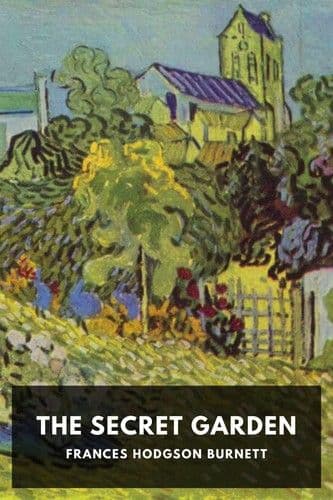
One of the best vocabulary-builders on this list. Burnett writes with a kind of careful richness that feels old-fashioned in the best possible way. Children often don't realise how many words they're absorbing. Perfect as a shared read if your child isn't quite ready for it alone.
The Wind in the Willows – Kenneth Grahame
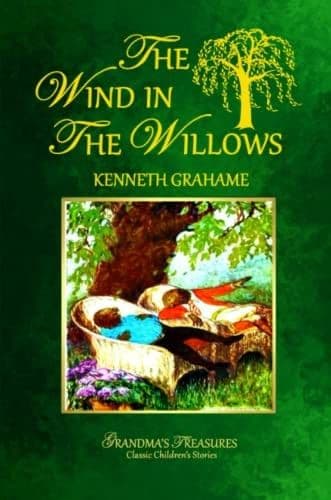
Every parent I know who reads this aloud is surprised by how much children love it. Ratty, Mole, Badger and Toad have distinct voices, and Grahame's prose is some of the most beautiful in children's literature. The vocabulary here is genuinely stretching – in a way that feels earned rather than forced.
Watership Down (abridged) – Richard Adams
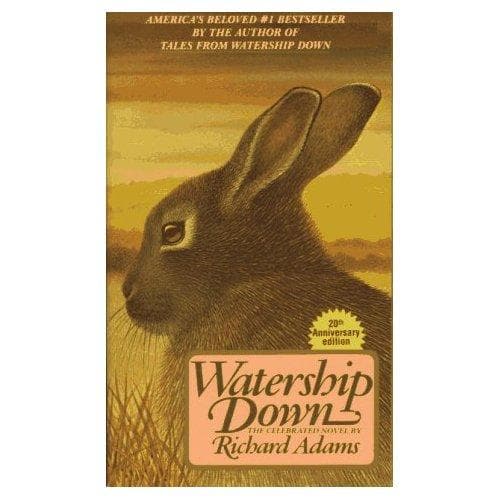
The full version is long and some parts are intense. But an accessible abridged edition is brilliant for this age group. Loyalty, danger, leadership, sacrifice – it's a proper story.
The Borrowers – Mary Norton
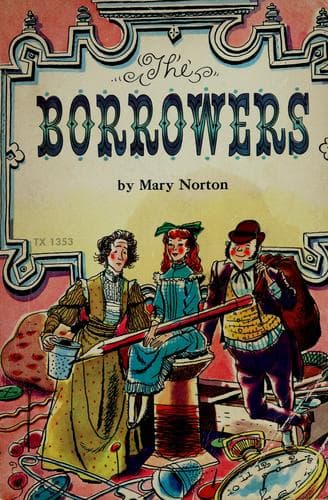
A rich, inventive world with vivid descriptive language. Children have to visualise everything – which is excellent practice for the kind of inference questions that appear in comprehension papers.
Stig of the Dump – Clive King
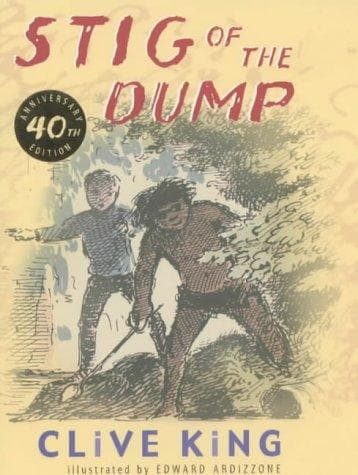
Simpler language than some others here, but outstanding for extending imagination and building a sense of how stories work.
Books that build inference and empathy
Inference – the ability to read between the lines, to understand what isn't said – is tested heavily in both GL and ISEB comprehension papers. The best way to build it isn't through comprehension worksheets. It's through books where characters are complex, motivations are unclear, and feelings are shown rather than stated.
Wonder – R.J. Palacio
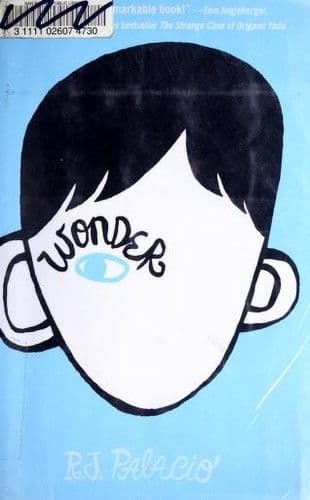
Multiple perspectives on the same events. Children have to hold different viewpoints simultaneously and work out who to trust. Emotionally powerful and very good for developing theory of mind.
The Boy at the Back of the Class – Onjali Q. Raúf
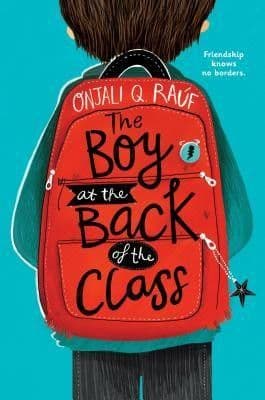
A quietly brilliant book. The narrator doesn't fully understand everything that's happening, which means the reader has to work it out themselves. Excellent for inference.
Skellig – David Almond
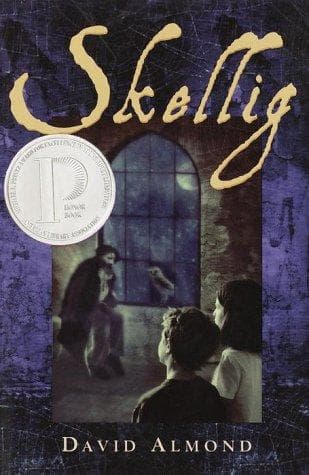
Strange, slightly unsettling, genuinely literary. Almond doesn't explain everything, and children who engage with it have to sit with uncertainty – which is exactly the kind of tolerance for ambiguity that harder comprehension texts require.
Holes – Louis Sachar
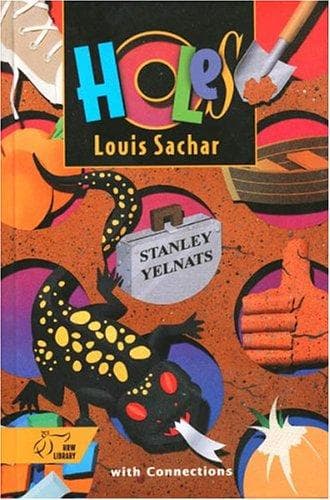
Multiple narrative strands that slowly reveal their connection. Children who follow this properly are exercising the same skills they'll use on harder comprehension papers – holding information across a text, spotting patterns, understanding structure.
Coraline – Neil Gaiman
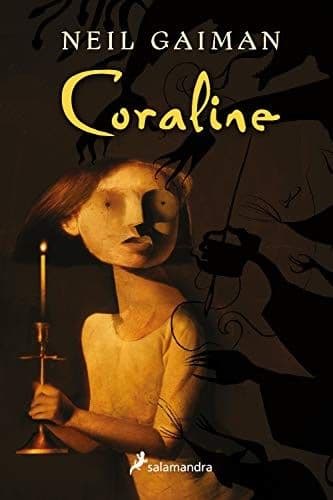
Atmospheric, slightly scary, deceptively simple. Gaiman is a master of subtext. A lot is implied rather than stated, which makes it excellent for building the habit of reading carefully.
Books that build reading stamina
Some children can read fluently but struggle to sustain concentration across longer texts. Reading stamina is a real thing – and the only way to build it is to read books that keep pulling you forward.
Harry Potter and the Philosopher's Stone – J.K. Rowling
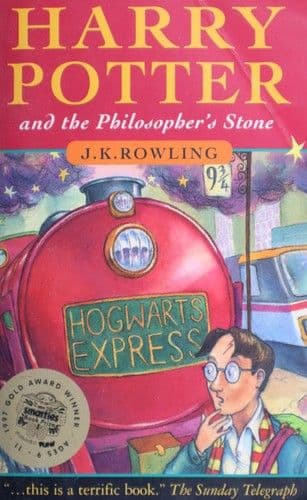
Yes, obviously. But worth saying explicitly: this book works because the plot compels you forward. Children who finish it have demonstrated they can sustain focus across a novel-length text. That matters.
The Lion, the Witch and the Wardrobe – C.S. Lewis
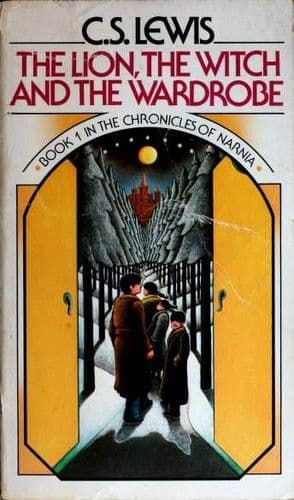
Shorter than Harry Potter but narratively rich. Works well as a bridge book for children who are finding novel-length texts a stretch.
Percy Jackson and the Lightning Thief – Rick Riordan
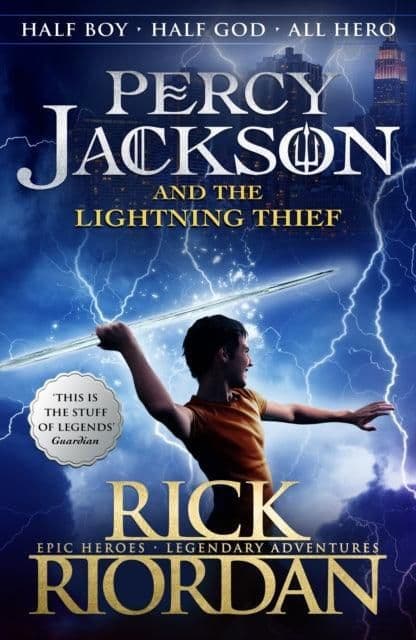
Hugely readable, funny, genuinely exciting. Children who "don't like reading" often love this. It's longer than it feels.
Diary of a Wimpy Kid – Jeff Kinney
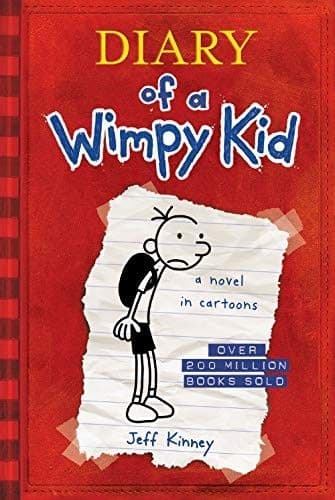
Never underestimate this series. The mixed text and illustration format lowers the entry barrier, and children who start here often build confidence that carries them to longer, denser books.
Matilda – Roald Dahl
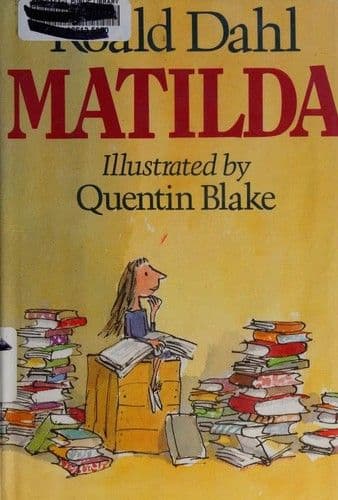
Dahl's pacing is exceptional. This is a story that keeps children turning pages – and turning pages is the whole point at this stage.
Books that build curiosity (and vocabulary) through non-fiction
Non-fiction is underused at this age. But a child who reads widely across subjects will encounter a much broader vocabulary than one who reads only fiction – and that breadth matters enormously in verbal reasoning.
Horrible Histories – Terry Deary
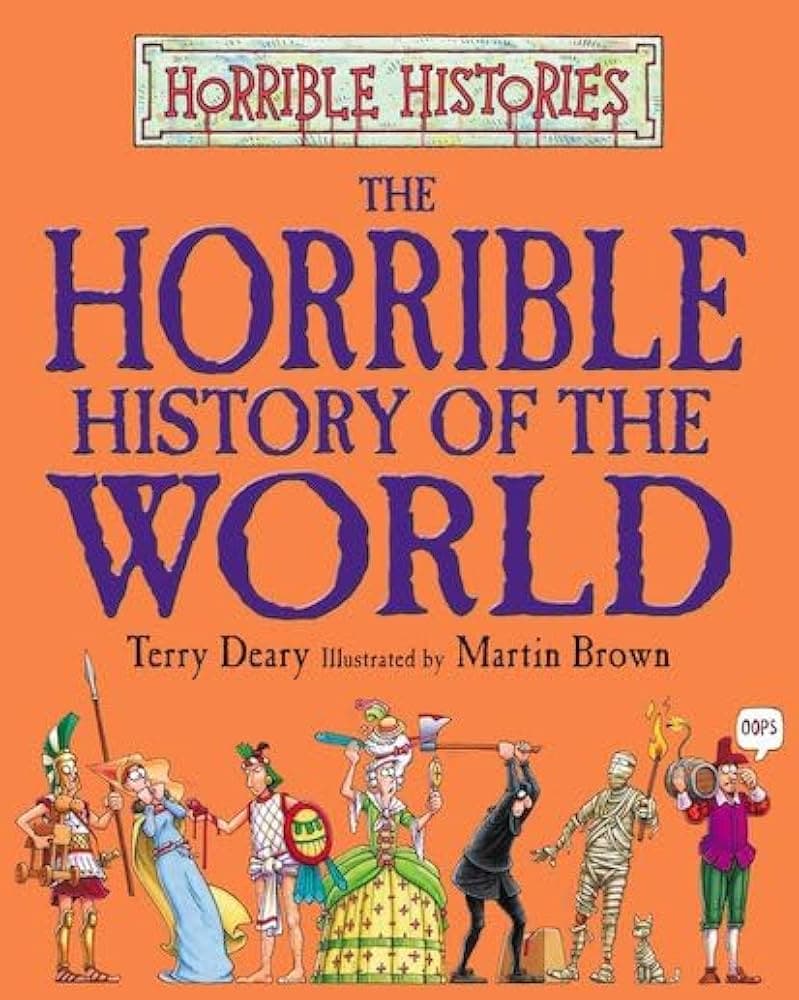
Funny, startlingly informative, and written with a subversive energy that makes children feel like they're getting away with something. The vocabulary is more varied than most fiction at this level.
Dare to be You – Puffin
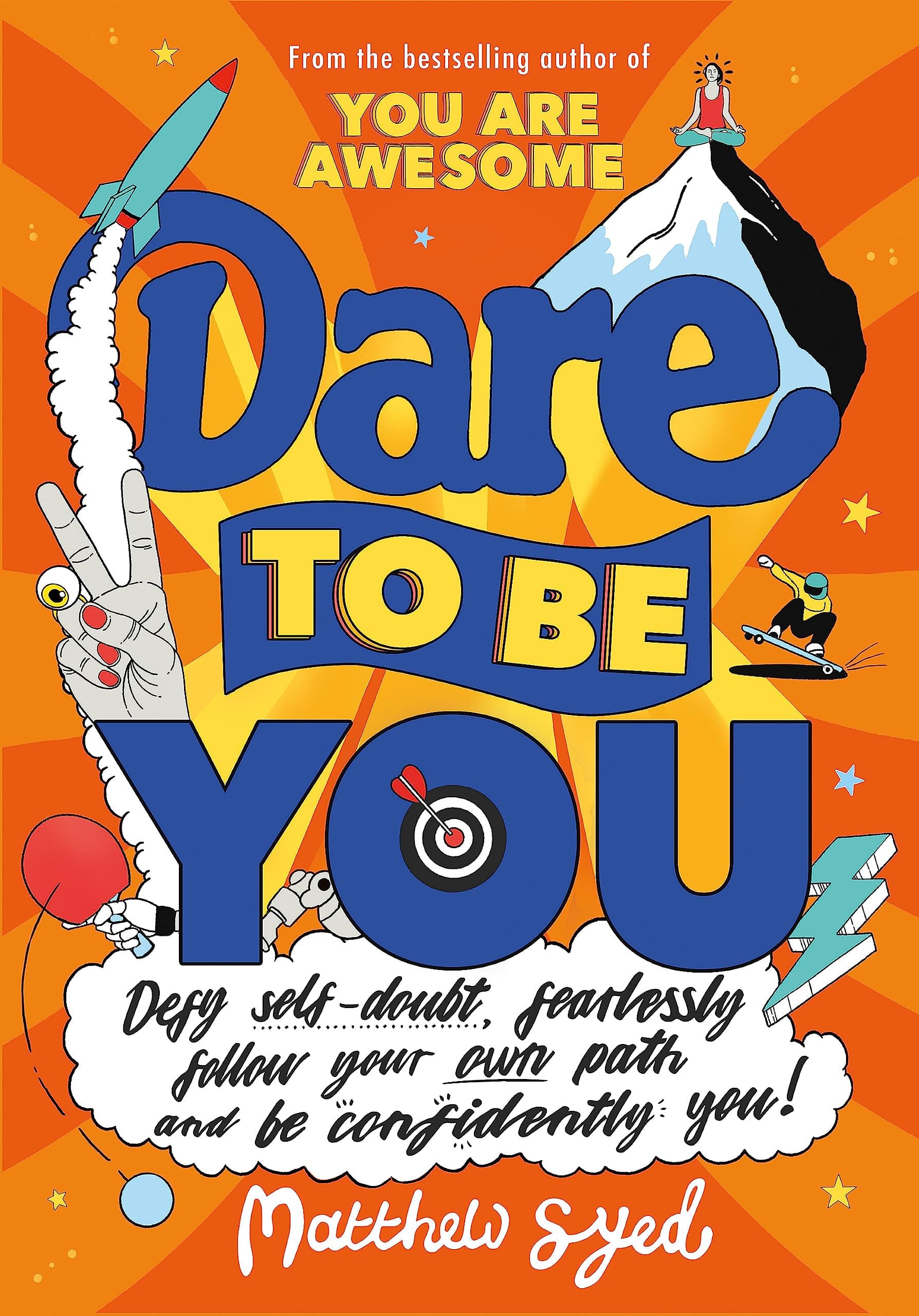
A broad, confidence-building non-fiction read. Less relevant for exam prep, but good for developing the habit of reading non-fiction.
Usborne Science Encyclopaedia
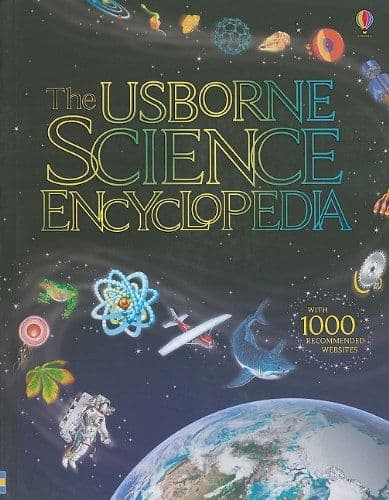
Reference books aren't just for looking things up. Children who browse encyclopaedias are building the kind of contextual knowledge that shows up in reading comprehension passages about unfamiliar topics.
Who Was...? / What Is...? series (various authors)
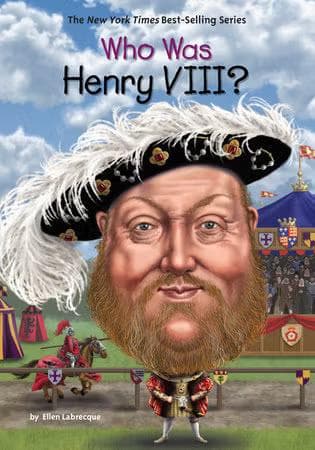
Biography and history titles that introduce complex ideas in accessible formats. Brilliant for building general knowledge, which is increasingly valuable in comprehension papers.
Funny books deserve their own category
Laughter builds reading stamina faster than almost anything else. A child who has discovered that books can make them laugh properly is much harder to put off reading. Don't overlook this.
The Worst Witch – Jill Murphy
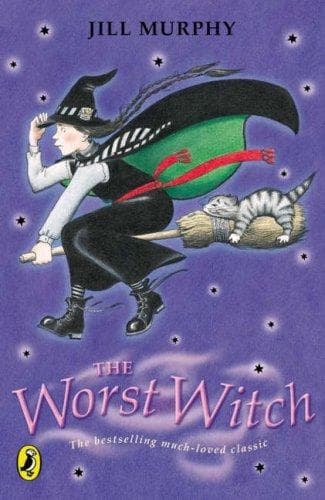
Reassuring, funny, and full of warmth. Great for children who feel like they're always getting things wrong.
Tom Gates – Liz Pichon
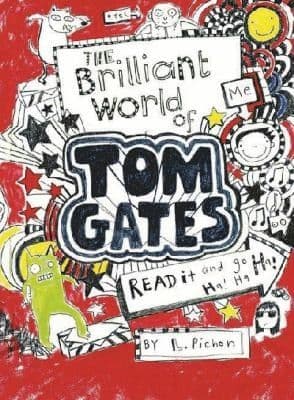
Short bursts, lots of illustration, genuinely chaotic energy. Children who are resistant readers often come around on this series.
Dog Man – Dav Pilkey
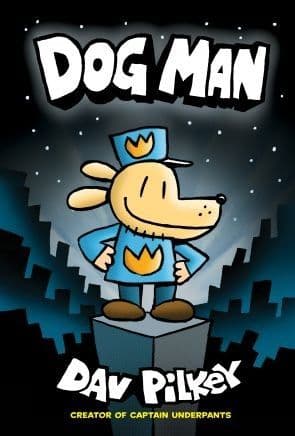
Graphic-novel format. Don't dismiss it – the storytelling structure here builds inference and prediction skills in ways that look nothing like "literacy practice."
The 13-Storey Treehouse – Andy Griffiths
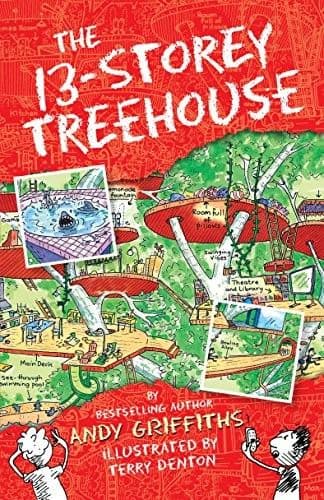
Silly, inventive, endlessly readable. Chapter endings are cliff-hangers. This is how you build the habit of "just one more chapter."
A note on reading levels
Ignore them, mostly.
Reading levels are useful for teachers managing 30 children with very different abilities. They're much less useful for individual families. A child who is technically "at" a certain reading level but bored will read less than a child who is slightly below but utterly gripped.
The better question is: is my child reading? Are they choosing to read? Are they reading for longer than they used to?
If the answer to those is yes, you're doing it right.
The 11+ connection
The best thing you can do for your child's comprehension at 7–10 is to read as much as possible, as widely as possible. Not exam papers. Not comprehension worksheets. Books.
The skills that comprehension papers test – inference, vocabulary in context, understanding tone and intent, following complex sentences – are built through years of wide reading. By the time formal preparation begins in Year 5 or Year 6, children who have read broadly have a significant, compounding advantage.
There's also a practical benefit. Children who have read widely find comprehension passages less threatening, because they've seen more of the world through text. An unusual word doesn't derail them – they've learned to read around unfamiliar vocabulary.
None of that means you should avoid any structured practice altogether. A little and often, at the right time, absolutely helps. But at 7, 8 and 9, the priority is the reading habit.
At HeyKitsu
When children are ready for some structured 11+ preparation, HeyKitsu is designed to complement reading – not replace it. It offers short, adaptive sessions across English, Maths, Verbal Reasoning and Non-Verbal Reasoning, with a diagnostic assessment that identifies where to focus.
The first three levels in every collection are free, with no time limit and no card required. So if your child is curious, they can try it properly before you spend anything.
Start for free at heykitsu.com
PS – If your child has a favourite book that isn't on this list, let us know! The best reading recommendations always come from other parents.
Free guides, tools & past papers
Our Resources hub has past papers, school guides, and planning tools to help you map out your child's 11+ journey.
Written by
Jane CoplandConsultant and writer @ HeyKitsu
Jane is HeyKitsu's creative writing expert. A published author, she recently supported her son through the 11+, where he received an offer from his first-choice school.